
5 Accent Traps on set and how to avoid them
You nailed the audition, you’ve done your prep, your accent is sounding flawless, and then you get to set and… yikes! What are those sounds coming out of my mouth?!
Ok, well it’s not always THAT bad.
But, there are a few things I’ve seen over the years that can really trip people up on set when it comes to performing in another accent. So I thought today would be a good day to take a look at them, and the things that work in order to prevent them.
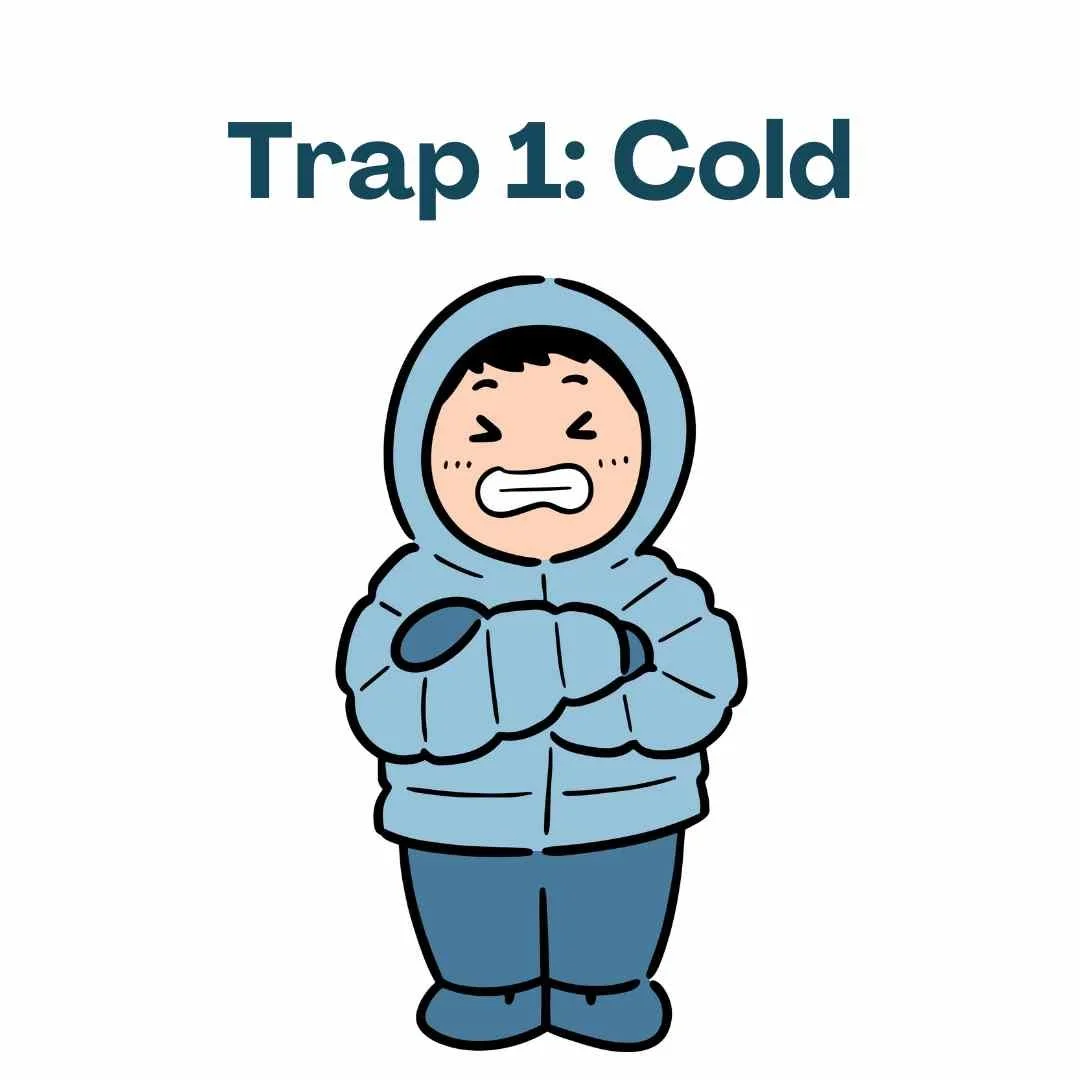
Sets are not always the most comfy, cosy places. We’re often asked to perform in less-than-ideal conditions, in clothing that isn’t always temperature-appropriate.
What a lot of people fail to take into account, is that being cold causes a physical response that effects our whole speech apparatus, and thus, our accent.
Cold weather → reduced blood flow to extremities (including the face, tongue, and lips) → slower, stiffer movement. When we’re cold, the body goes into mild protective mode:
jaw tightens
tongue root retracts
neck and shoulders engage
All of which effect the sounds we’re making.
WHAT TO DO:
Stay as warm as you can as often as you can. Ask wardrobe for(or bring for yourself on a smaller production) a scarf, a blanket, a warm coat… anything you can throw on between takes to ensure you stay as warm as possible. Be sure your throat is covered as often as you can.
Move your muscles: stretch your tongue, open and stretch your jaw, relax your mouth.
The cold will pull you into your natural accent as your body defaults to protective mode and chooses efficiency over precision. You may need to work a little harder to get things to come out clearly.
Breathe through your nose, while you relax your jaw, close your lips, and allow your tongue to expand and fill your mouth so it’s touching the roof without pushing too hard against it. This position helps your throat stay warmer.
Don’t be a hero! Too many actors, especially when they’re starting out, insist they’re fine because they don’t want to be a nuisance. If you’re cold or uncomfortable, ask for something to cover up with. Wardrobe people are used to throwing a coat on you in between takes, and they’re happy to do it. It’s not always possible to be totally comfortable (for example, if you’re covered in sticky fake blood, putting a coat on may be be possible) but we can always politely ask if anything can be done.
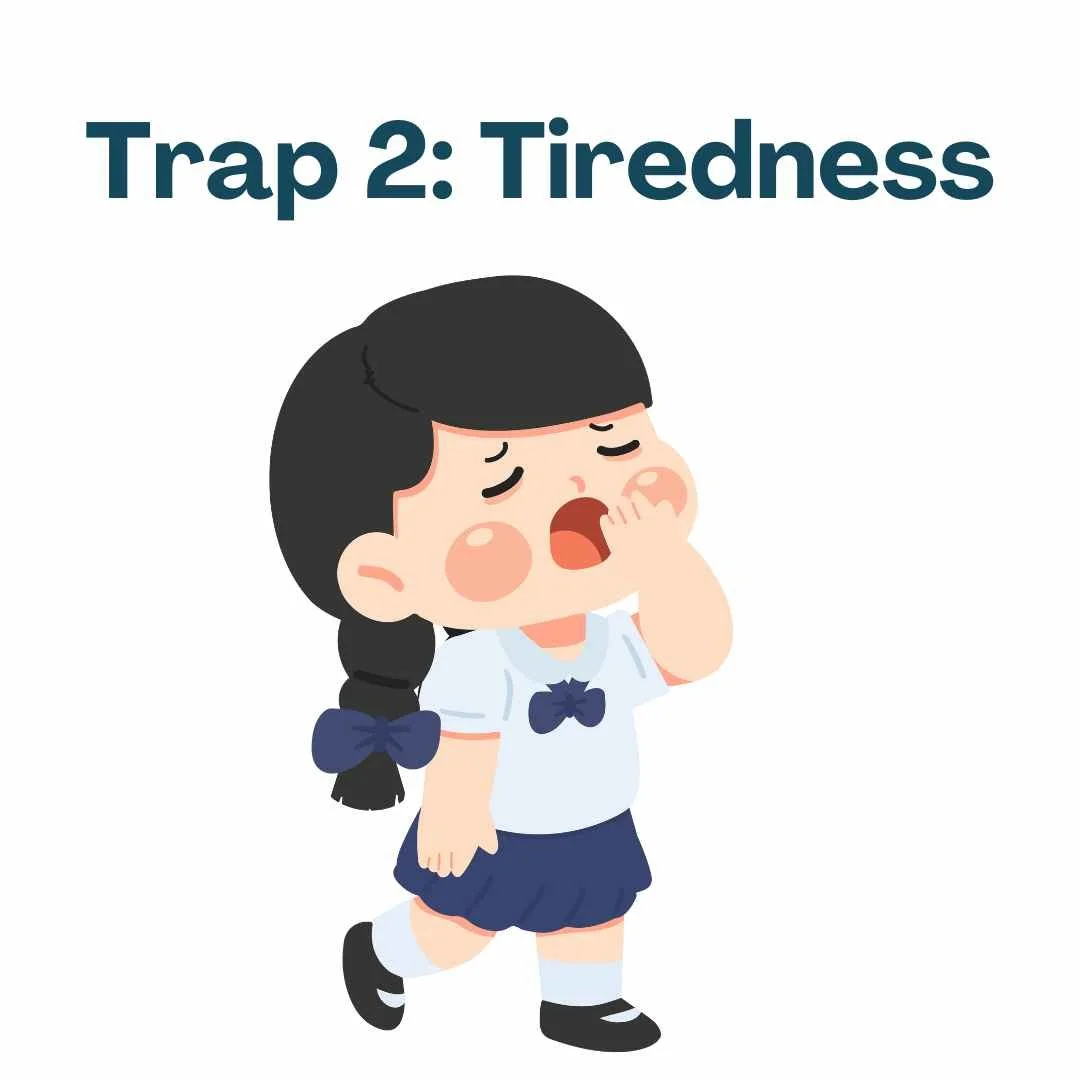
As with temperatures on set, working hours aren’t always ideal.
Whether it’s because of a night shoot, or a long day that starts with a 4am pickup, tiredness is a major accent trap. Fatigue puts our brain right back to its default settings (just ask anyone who speaks more than one language!) and it can throw your accent off completely.
This is science my friends. When we’re very tired, the brain’s ability to monitor and fine-tune speech weakens. Fatigue reduces activity in the prefrontal cortex, which normally helps us notice and correct small errors when we’re doing an accent. At the same time, neuromuscular coordination becomes less precise: tongue and lip movements are slightly slower and less accurate. The result is that speech becomes more automatic and it drifts toward habitual patterns, aka our natural accent.
WHAT DO DO
Prioritize rest. The birthday party is a no-go before a shoot. And no, you DON’T need to watch one more episode of the show. Sleep wins.
Get as much light into your eyes as you can. It helps signal the brain that it’s time to be awake.
If you know you’re going into a string of night shoots or early mornings, if you can, adjust your sleep pattern slowly so that it isn’t such a shock to your system on set.
Keep your body and mouth moving. Warm up, pat yourself, do a few jumping jacks, shake it out, throw on some music in your trailer… anything you can to signal to your brain that it’s not time to wind down.
Caffeinate. Coffee. Matcha. Whatever your jam is, drink it. It’s your friend. Ask any crew member- our coffee intake triples on set. And if we’re really tired, sometimes it’s the boost we need to get through the scene without a major accent wobble.
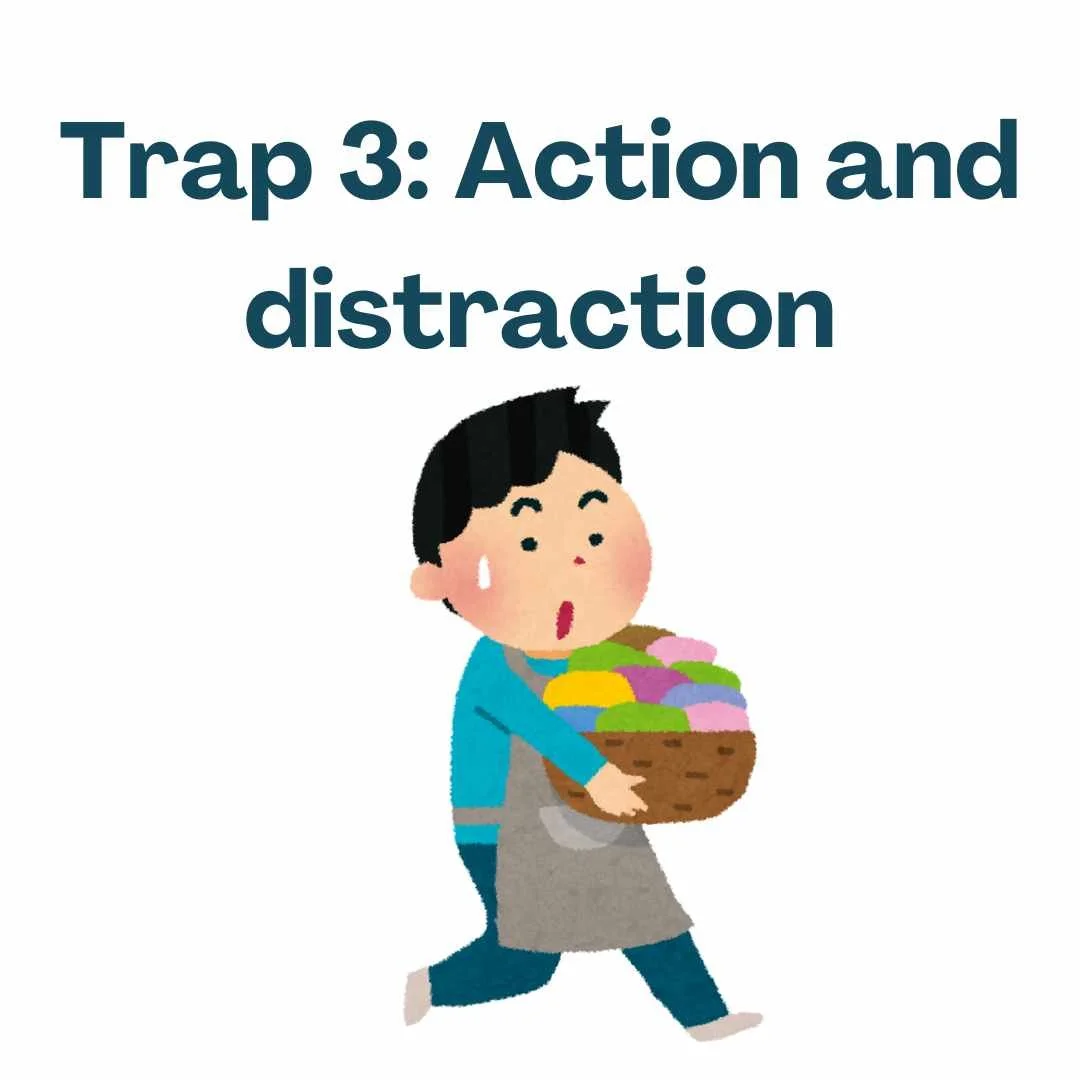
Real talk- this is probably the trap I see people fall into the most, and it’s absolutely preventable.
Here’s how it goes- you work your ass off on your accent. Maybe you have sessions with someone like me. You have it DOWN.
Then you get to set. The director explains that you have to hit this mark on that word, look here, pick up this book, take out a page, write three words, walk to your next mark, jump up and down, pull out a pen, throw it at the wall, and lie down.
Meanwhile, you have a boom operator right behind you and a camera in your face, and wardrobe has told you to please not open your jacket because there’s a stain on your shirt underneath.
And suddenly, poof! All that work you did on your accent goes down the drain.
WHAT TO DO
GET. UP. AND. MOVE. Work on your text and your accent while you walk, do the dishes, fold your clothes, work out, shower, draw a picture… get used to moving and speaking in this way. The more focus the movement takes, the better. Work your way up so you teach your brain to multitask at a high level when it comes to maintaining the accent and doing all the other business you’ll be asked to do on set.
Practice your action. Even though things can change on the day, if your script says “she takes out a book, flips to page 5, and sets it in front of the officer.” that’s an action you can plan for and rehearse on your own.
Record yourself. If you feel confident in your accent, record your lines while you’re still and focussed exclusively on that. And then record them again as you’re doing an activity that requires some attention. Listen back. Was it consistent? If so, great! If not- keep at it until it is.

Chances are, you’ve seen countless performers fall into this accent trap. It’s totally understandable, and I see it all the time.
Before we get too deep into it, let me be very clear about something: this trap is entirely normal, because the LAST thing you should be thinking about in these moments is your accent. In fact, I HATE having to give people notes in these situations. But, just like it’s part of my job to do so, it’s part of your job to deliver an authentic performance, which includes maintaining the accent.
What I’m talking about are high-stakes, high-emotion moments.
It’s one thing to nail the accent in a normal conversation. It’s another thing to do so while you unleash a wrath of anger at your nemesis, panic after an attack, or wail at the loss of a loved one.
WHAT TO DO
While you’re unlikely to give the full 100% emotion in your house, it’s helpful to get to at least 60% while rehearsing if you can.
Work on your accent at different volumes, and different intensities, Very quiet, very loud, bring some tension into your body, stand up, lie down, change your breathing so it’s more shallow and quick, try again… get your body used to doing the accent at different levels and in different ways. Train your muscle memory so that you can rely on it in these more demanding scenes.
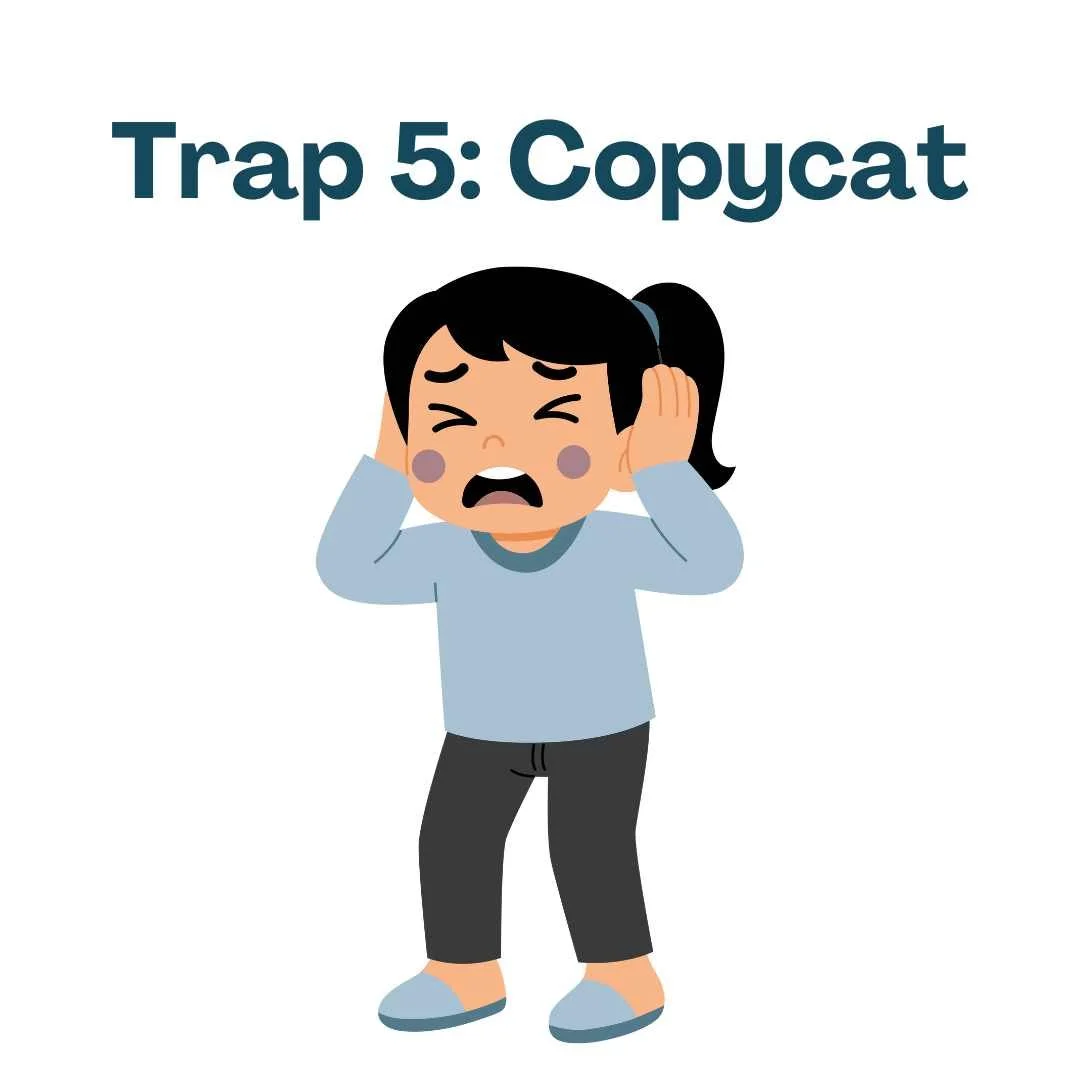
This last one is a classic!
You nail your accent at home, but then you get to set, and the actor across from you is speaking with a completely different accent to the one you’re using.
Suddenly things start to shift… their sounds start to creep into your mouth, and your speech becomes a sort of accidental accent hybrid.
WARNING: This is particularly the case for people who are naturally good at picking up accents. So if that’s you, pay attention to this one in particular!
WHAT TO DO
Work on your accent in a methodical, muscular way. Take note of the sounds, what your mouth is doing, how it’s moving (ahem… I have programs that will help!), and pay close attention to what you’re physically doing to achieve the changes in your accent, rather than relying 100% on imitation by ear alone.
If at all possible (sometimes it’s not), find out what accent your scene partner(s) is using, and get someone with that accent to either read with you, or record their lines so that you get used to hearing one accent and doing another.
If that isn’t a possibility, throw on a tv show in which they speak with a different accent, and then do your lines. For example, if you’re going for Yorkshire, watch something American, then do your lines. Watch something Scottish, then do your lines. Get used to hearing one thing, and doing another.
I hope these help you avoid these accent traps on set! If you ever have any questions, or want to ensure that you’re 100% prepared to nail your performance, let me know. I’ve got programs to help get you there, and one-to-ones to ensure your specific script sounds flawless.
And if you don’t follow me on socials, I’ll be posting about these this week over there as well! @hollydialectcoach on TikTok and Instagram.
I’m cheering for you!
Holly x